

Life with diabetes

Being Diagnosed
Starting your diabetes journey
Usually people with diabetes will experience symptoms including: increased thirst, urination, hunger and lethargy. Some people will also have signs of slow healing of wounds or persistent infections. To diagnose diabetes, a blood sample will need to be taken.
The blood test may be either a test taken anytime during the day, a fasting test, or an Oral Glucose Tolerance Test (OGTT). The blood test will measure how much glucose is in your blood and how your body responds to it in order to determine whether it’s abnormal and indicative of diabetes. The results of the tests normally take less than 1-2 hours to determine.
Your doctor will also want to do a physical examination of your mouth, feet, eyes, abdomen, skin and thyroid gland. Your thyroid gland is located at the base of your neck and secretes hormones to regulate your body’s metabolism. Your doctor may also want to do some other tests to monitor your cardiac health and cholesterol levels. This initial assessment is important for your overall care and successfully managing your diabetes. Your doctor might also introduce you to a Credentialed Diabetes Educator (CDE), dietician and endocrinologist. Learn more about the role each of your team members will play in ensuring your diabetes is successfully managed.
Diabetes is diagnosed when
- A random blood test result is at or above 200 mg/dL or a fasting blood test result is at or above 126 mg/dL1,2,3
- HbA1c blood test result is > 6.5% (141 mg/dL)2
- The OGTT level is >200 mg/dL 2 hours after having a sugary drink2,3
Newly Diagnosed
UNDERSTANDING DIABETES
When first diagnosed with Insulin Dependent diabetes, many people naturally wonder how it will affect their lives, both immediately and in the future. Understanding diabetes and the impact of activities such as eating, exercise, sick days and everyday life on your glucose levels is an important part of glucose management.
After eating, food is broken down into glucose, which is needed to give the body energy for all daily activities. Our bodies also need insulin, normally produced by the pancreas, to help transfer glucose from the bloodstream to the cells.
MANAGEMENT FACTORS
When the pancreas does not produce insulin the glucose will remain in the blood stream, leaving cells without any energy. The high glucose level in the blood causes the more acute physical signs and symptoms of diabetes. To treat diabetes it is important to take into consideration many management factors, including blood glucose monitoring, carbohydrate intake, physical activities and insulin requirements to ensure good blood glucose control and to reduce the risk of complications.
LIVING A HEALTHY LIFESTYLE
By understanding the body's needs and learning how to keep blood glucose within recommended levels, it is possible to manage diabetes effectively.
Many people resume a happy, healthy lifestyle and enjoy normal activities after being diagnosed with Insulin Dependent diabetes. Through understanding how to control blood glucose levels, activities such as eating out, sleeping in on weekends, playing sports and travelling abroad for trips or holidays can still be enjoyed to the full.
Managing blood glucose levels
Reduce HbA1c, Reduce Complications
To keep blood glucose levels in the target range and to reduce the risk of complications, accurate doses of insulin need to be delivered to the body. Different therapies can include:
- Conventional Therapy — 2 to 3 injections per day of mixed long- and short-acting insulin.
- Multiple Daily Injections (MDI) — 3 or more injections with rapid-acting insulin and 1 to 2 injections with long-acting insulin per day.
- Insulin Pump Therapy — Insulin pump therapy replaces the need for frequent injections by delivering rapid-acting insulin 24 hours a day. A programmed insulin rate mimics the basal (background) insulin production by the pancreas and can be better adjusted to the body's needs. Rapid-acting insulin acts very quickly to help minimise variations in blood glucose levels in response to carbohydrate intake or, if needed, to lower high blood glucose values.
Whether you use an insulin pump or injections, it's important to have your HbA1c levels tested at least every three months by your doctor, endocrinologist or diabetes educator. That way you can get a clearer picture of how well you're doing and make the necessary treatment and lifestyle adjustments to do even better.
Continuous Glucose Monitoring
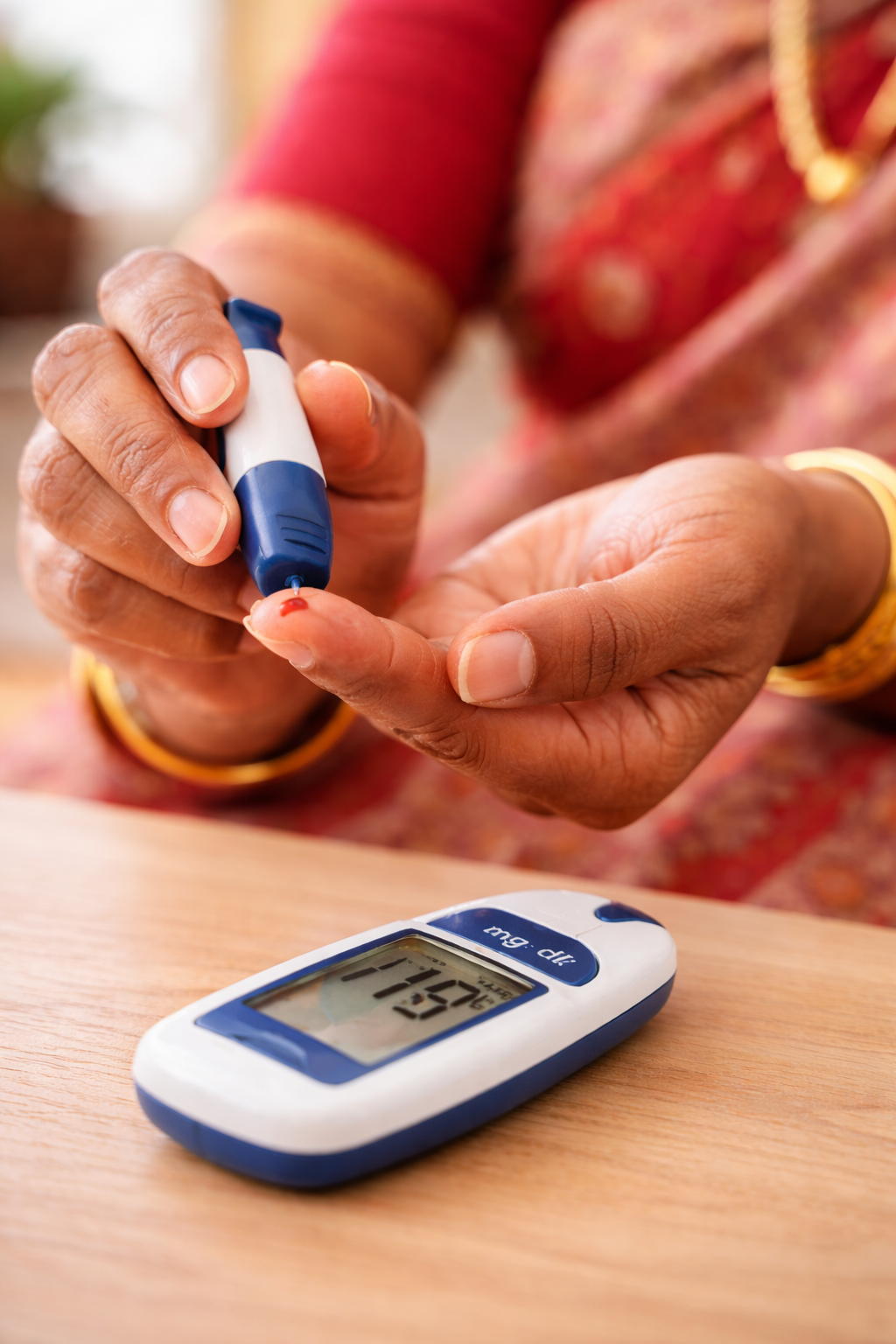
When you take BG tests to look at your glucose values you will likely be asked to take 5-10 readings per day. This provides several snapshots as to what your glucose values are at that time, but it does not give information as to whether your glucose levels are going up or down. Continuous Glucose Monitoring consists of a small device which contains a small electrode that sits under the skin and will take a glucose reading up to every five minutes (288 per day) and send those individual readings as well as a graph of our previous readings to your pump or phone. This allows you to see not only your current glucose reading but also what it looked like earlier in the day and will also let you know if your glucose values are currently going up or down.

Seven Steps for Glucose Control
Better blood glucose control has gained significant attention since the release of the landmark Diabetes Control and Complications Trials (DCCT). The study emphasised the importance of good control in helping patients feel better, and ultimately enjoy a better lifestyle. Here are seven steps that will help you gain greater control of your diabetes management:
- Blood Glucose and HbA1c Testing
- Treating Hypoglycaemia (Low Blood Glucose)
Your healthcare professionals will provide specific guidance for you to treat hypoglycaemia. General guidelines suggest: It is important to establish a routine for when your blood glucose is low. Have something available to treat a low and you are less likely to over treat and raise your glucose levels too much.
- Treating Hyperglycaemia (High Blood Glucose)
Your healthcare professionals will provide specific guidance for you to treat hyperglycaemia. General guidelines suggest: High blood glucose can occur while using the pump for the same reasons it did when you were not on the pump, including some situations that are unique to insulin pump therapy:
- Too much food
- Not enough insulin
- Loss of insulin potency
- Not receiving insulin from the pump
- Sick Day Management
Illness and infection put extra stress on the body and often raise blood glucose.3 An insulin pump allows you to make adjustments to quickly and easily respond to illness and infection. Your healthcare professional will provide specific advice to you on how to manage on days where you are sick. General Guidelines for sick day management include:3
- Checking blood glucose levels every 2 hours
- Checking urine for ketones
Notify your healthcare professional if you have moderate or high ketones, nasea, vomiting, or if your glucose levels remain high.
Keep a few supplies on hand in case you become sick. Recommended items include:- Sugar-free liquids, such as broth, can be used to replace lost fluids and prevent dehydration
- Fluids that contain sugar can be used to replace needed calories if you are unable to eat
- Extra glucose meter strips
- Ketone strips
- Medications, sugar-free, for cough, congestion, nausea or vomiting, and fever
- Nutrition and Carbohydrate Counting
- Exercise
- Managing Infusion Sites
If you are using an insulin pump, it is important to be proactive about keeping your infusion set healthy and your insulin, reservoir, and infusion set fresh. With a little care, you can take full advantage of the benefits of insulin pump therapy and avoid serious problems. A few simple principles can significantly improve your results:
- Change/rotate infusion site regularly
- Inspect infusion site frequently
- Use appropriate sites
- Keep adequate supplies on hand
Understanding hypoglycaemia
Hypoglycaemia is the technical term for low blood glucose. When people are first diagnosed with diabetes, they sometimes find it hard to understand how low blood glucose can be a problem when diabetes is all about high blood glucose!
Try imagining your blood sugar as weights on a set of scales. If you start out with all the weight on one side (let's call it the 'high blood sugar' side), you'll want to balance things out by transferring some of that weight to the other side (the 'low blood sugar' side).
What causes a low?
However, sometimes it's hard to control how much weight you shift, and you might end up over-doing it – the result being hypoglycaemia. This could be because of:
- Not enough food
- Too much insulin
- More exercise than usual
- Illness
- Travel
- Stress

Treating a low
Unfortunately, you can't always avoid a low. For this reason, it's important to establish a routine to follow when your blood glucose drops. If you have a routine, you're sure to have something available to treat a low and less likely to over-treat and cause your blood glucose to go up too much. Speak to your healthcare professional for guidance on what you should do if you experience hypoglycaemia. Some people with diabetes don't know when their blood glucose is low because they don’t feel the usual symptoms – this is called 'hypoglycaemia unawareness'. If you suffer from hypoglycaemia unawareness, it's important to test your blood glucose more often. Everyone with diabetes should test before driving a car to ensure safety on the road.
Finding control with insulin pump therapy
Hypoglycaemia can be one of the biggest concerns for people with diabetes, especially during the night, when it is more difficult to recognise low levels of blood glucose (lows). It can disrupt your day to day activity and can be an ongoing concern in the back of your mind. Achieving safe HbA1c levels while avoiding the risk of hypoglycaemia (hypos) or extremely low glucose levels is a challenge that Insulin Pump Therapy can help you achieve.