.png)


Have a child on the MiniMedTM 780G system? Share your experience →
Resources for parents and caregivers
Caring for a child or loved one with diabetes can feel overwhelming — especially at the beginning. From diagnosis and school planning to therapies, daily routines, and emotional support, parents and caregivers play a critical role in helping people with diabetes live healthy, confident lives.
Short answer: Parents and caregivers can support diabetes care by learning the basics, building a healthcare team, preparing for school and activities, using the right therapies, and connecting with the diabetes community.
This page brings together practical guidance, trusted information, and real-life experiences to help families navigate diabetes with confidence.
What are the symptoms of diabetes in children?
Diabetes symptoms in children can appear suddenly and may include increased thirst, frequent urination, fatigue, unexplained weight loss, bedwetting, blurred vision, or nausea.
What should I do if my child is diagnosed with type 1 diabetes?
A diagnosis of type 1 diabetes can feel scary, but support is available. First steps often include:
- Learning how insulin works and how it’s delivered
- Monitoring blood glucose levels
- Understanding how food, exercise, and illness affect blood sugar
- Building confidence with daily diabetes tasks
How do I find a pediatric endocrinologist?
A pediatric endocrinologist specializes in diabetes and hormone-related conditions in children. You can:
- Ask your child’s pediatrician for a referral
- Check your insurance provider’s directory
- Look for children’s hospitals or diabetes centers
Tips for parents
It's a lot, so take learning one step at a time. You can and should ask all the questions you can think of to your healthcare team and even the diabetes community. Remember that managing diabetes gets easier with practice.

What is diabetes?
Diabetes is a condition in which the body has difficulty controlling blood sugar levels due to problems with insulin production or use. Key things caregivers should know:
- Diabetes management is daily, but routines develop over time.
- Blood sugar levels can change based on food, activity, stress, and illness.
- Technology and therapies can help reduce the burden of care.
Understanding the basics helps caregivers make informed decisions and advocate effectively for their child.
Learn more about
Diabetes
How can my child manage diabetes at school?
With planning and communication, children with diabetes can safely and successfully manage their care during the school day. Children need to be empowered to manage their diabetes while at school, which means ensuring they understand their condition and that they are capable of using their treatment.

What is a Section 504 plan?
A Section 504 plan is a legal plan that ensures students with medical conditions, including diabetes, receive accommodations at school. These may include:
- Blood glucose monitoring during class
- Access to snacks and water
- Permission to leave class for diabetes care
Guides for school staff
- Guides for teachers: Understanding diabetes basics, recognizing low or high blood sugar, and supporting classroom inclusion
- Guide for school nurses: Daily diabetes care, insulin administration, emergency planning, and communication with families
Open communication with school staff helps create a safer, more supportive environment.
Can kids use insulin pump therapy?
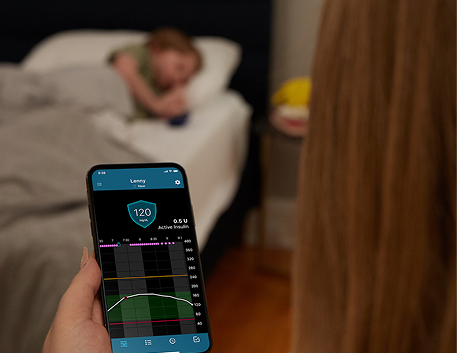
Yes. Many children use insulin pumps, CGMs, or automated insulin delivery systems. These tools can help manage blood sugar more consistently. Be sure to check the age indication as some therapies may only be approved for older children.
Common diabetes therapies include:
How much do diabetes therapies cost?
Costs vary based on insurance coverage, device choice, and supplies. Families may want to:
- Review insurance benefits
- Ask healthcare providers about coverage options
- Explore financial assistance or support programs
Choosing the right therapy depends on medical needs, lifestyle, and family preferences. See more information on medical costs.
Why community matters
Connecting with others who understand diabetes can reduce stress and provide encouragement. Community resources may include:
- MiniMed Champion community or advocacy opportunities
- Online diabetes communities and forums
- Support networks remind families they’re not alone on their diabetes journey.
Additional resources
Babysitter guide: Caring for a child with type 1 diabetes comes with a little extra to keep in mind — but nothing a prepared babysitter can’t handle. The details below cover the basics of managing blood sugar and what to do if a high or low glucose comes up while you’re on duty.
Coach guide: Kids with type 1 can play, compete, and train just like any other kid — their coach just needs a little extra context. This guide explains how physical activity affects blood sugar and how to spot and respond to a high or low when it matters most.
Sleepover guide: Sleepovers with type 1 are totally doable — it just takes a parent who packs thoughtfully and a host family who knows what to look out for. Everything else? Pure sleepover chaos, just the way it should be.