


A Birthday That Changed Everything
Published: October 27, 2026 Read time: 3 minutes
On her 24th birthday, Blanca received a present she never wanted: a diagnosis of type 1 diabetes. The news was painful, but not unfamiliar. Diabetes had always been part of family life. Her father, her sister, and an uncle also live with the condition.
Growing up, Blanca watched her father and sister count carbohydrates, plan meals and navigate the daily uncertainty of changing glucose levels. She also saw how deeply diabetes could reshape a life. Her father, a pilot, had to stop flying due to his condition and become an instructor. So, when a persistent infection led to Blanca’s diagnosis, she felt sadness and frustration, and a quiet fear that her own future would become equally difficult.
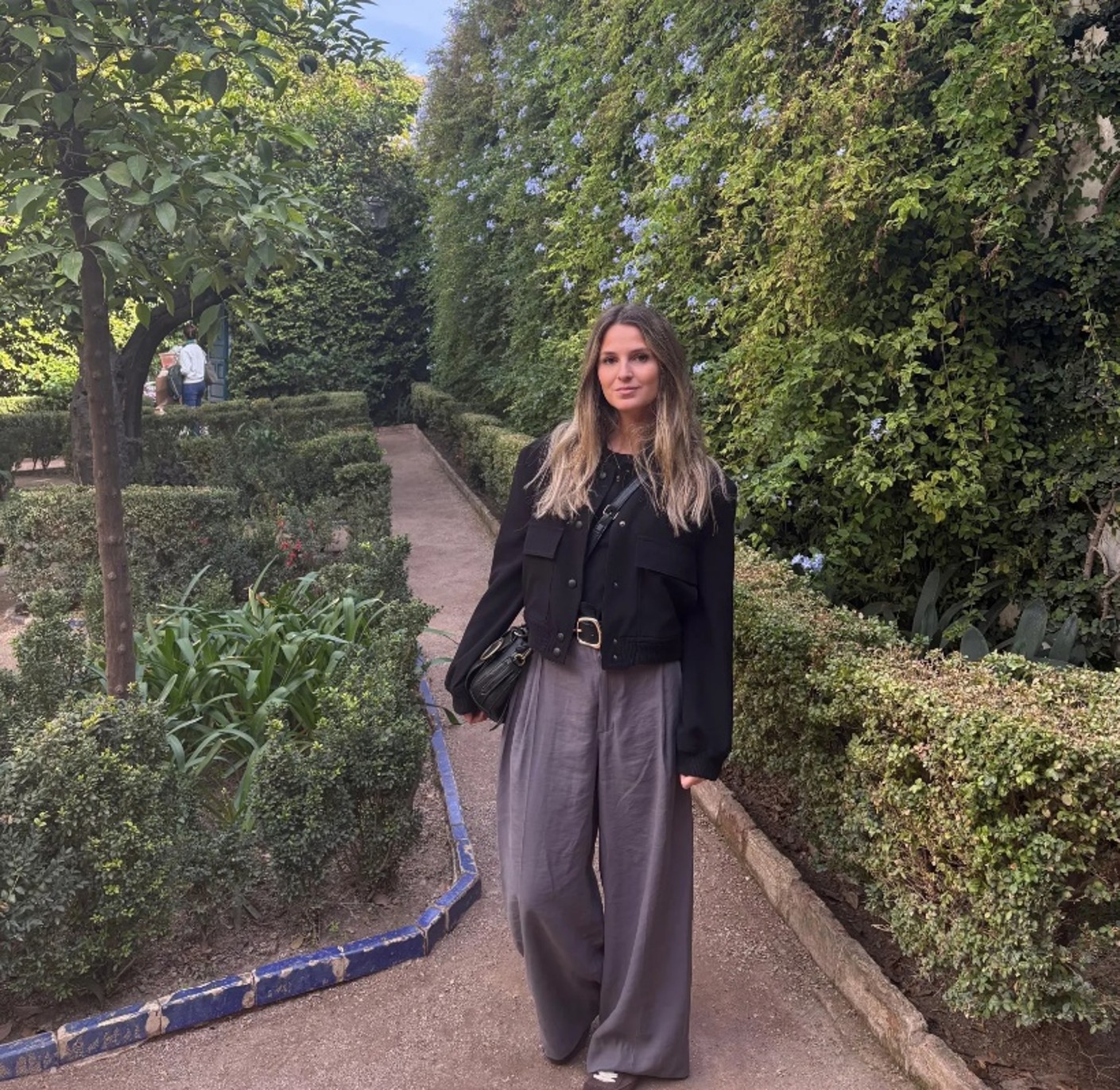
Blanca
Family support
Yet she was not starting alone. Her parents and sister understood the routines, questions and emotions that came with the condition. “I didn’t feel lost at any moment,” she says. Their support mattered as she encountered challenges that knowledge alone could not solve: glucose dropping during exercise, uncertainty around mealtime doses and a lasting fear of hypoglycaemia after frightening experiences, including nearly fainting while driving.
Reducing the mental burden of diabetes
A turning point came when Blanca began using the MiniMed GoTM system. Before, she often calculated doses in her head, relying on experience and then wondering whether she had got it right. With MiniMed Go, she can enter her carbohydrates and receive dose guidance, including support with corrections. For Blanca, that means less mental math and less second-guessing.
“It gives me a lot of confidence. It makes me not think so much.”
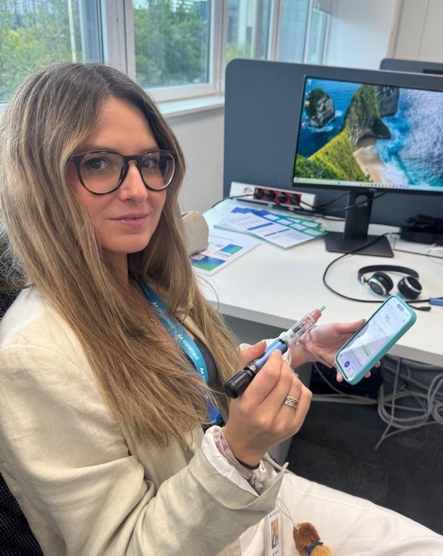
Blanca with MiniMed Go system
More confidence - One decision at a time
Her favorite feature is seeing how much active insulin remains in her body. It helps her recognize that an earlier dose is still working and gives her clearer information before taking more insulin. This is especially reassuring when fear of going low makes her hesitate over a suggested dose.
Since starting the therapy, Blanca has seen days when her time in range reached 89%, compared with the 60–70% she often saw before on traditional insulin pen therapy. She is careful not to present every day as easy but says the guidance has helped her feel more confident and more able to stay in range.
Sharing her lived experience
For Blanca, being happy with MiniMed Go is not about forgetting diabetes. It is about carrying a little less of its daily decision-making burden while continuing with the pen-based approach that feels right for her today. She still works, exercises and spends time with friends while managing the highs, lows and emotional weight that remain part of life with diabetes.
That lived experience also shapes her work as a marketing intern at MiniMed. “If I can add one little grain of my experience to improve someone’s life,” she says, “then I am very happy.”
Important safety information: MiniMed Go system
The MiniMed Go system includes the MiniMed Go app, InPen smart insulin pen injector and either the Instinct continuous glucose monitoring (CGM) sensor or Simplera CGM sensor. The system is intended to aid in diabetes management through multiple daily injections of compatible rapid-acting insulins (Humalog, Novolog, or Fiasp). The app and system components each require a prescription. When used with Instinct CGM, the app is indicated for patients ages 7 years and older, or patients ages 2 to 6 years under the supervision of an adult caregiver. When used with Simplera CGM, the app is indicated for patients ages 18 and over. If using InPen alone, the app is intended for all ages, with patients under age 7 requiring supervision. Use of these systems requires, among other things, adequate hearing and vision, a compatible mobile device and operating system, an open app, adequate pairing and connectivity, proper setting, use of an approved rapid-acting insulin, mobile device battery power, proper settings, accurate manual logging of insulin doses administered by means other than InPen, and occasional blood glucose meter (BGM) readings. Establishment of settings and treatment decisions should be made in consultation with a healthcare professional and on the basis of a combination of glucose readings, trend arrows, glucose target, active alerts, and recent events (such as insulin doses, exercise, meals, and medications). Failure to observe these and other details as found in the user guides can result in incorrect dosing, missed alerts and notifications, and ultimately hypoglycemia or hyperglycemia, with serious injury or death possible. For additional safety information and user guides, see https://link.minimed.com/Risks.