.png)


A 22-Year T1D journey — and why MiniMed Flex is the best chapter yet
Published: August 26, 2026 Read time: 8 mins
I’m Emily – a MiniMed employee who has been living with type 1 diabetes since December 2003. I was diagnosed at the age of seven, just three days after my identical twin sister, Ashley.
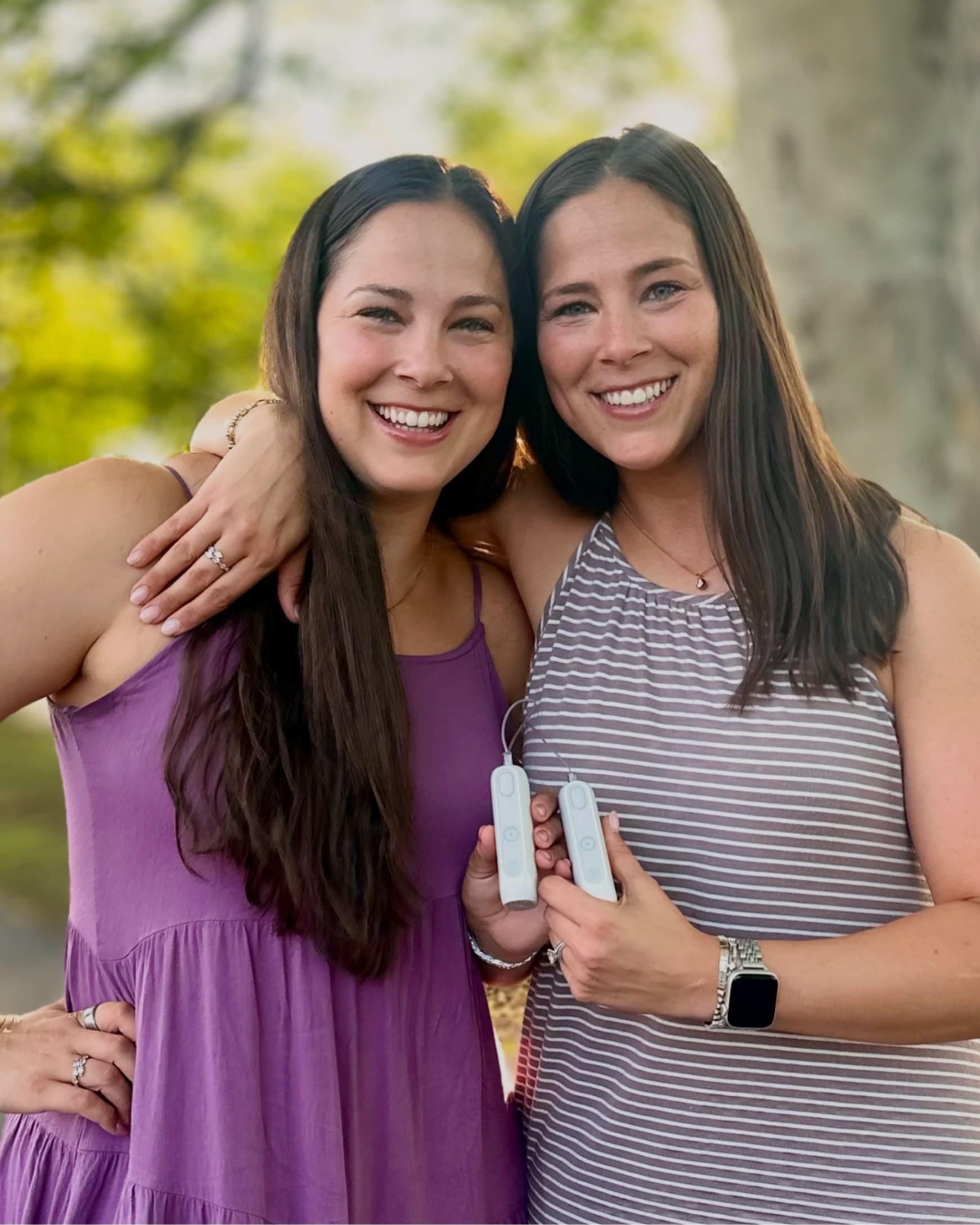
In some ways, that was pretty typical for us. Ashley was born first, diagnosed first, got married first, and has done just about everything first in our lives. A type 1 diabetes diagnosis is a lot for any family to take in. Having two children diagnosed within three days made our situation especially unusual. But as difficult as it was, I’ve always been grateful that Ashley and I have one another to lean on, learn from, and support each other on the days when diabetes isn't the easiest.
We learned how to count carbohydrates together. We understood the frustration of unexpected highs and lows. We could compare notes, laugh about the things only someone with diabetes would understand, and support each other on the days when it all felt like too much.
Diabetes became part of both of our lives at almost exactly the same time, but over the years, we each had to figure out what managing it looked like for us.
Learning diabetes one fingerstick at a time
When I was first diagnosed, life with diabetes was much different back then. I had to follow a strict carbohydrate diet — 60g carbs at breakfast, 60g at lunch, and 30g at dinner. With help from my parents, I checked my blood glucose via fingerstick 6 to10 times per day. Everything required planning. Food had to be counted. Supplies had to be packed. Blood glucose had to be checked. Insulin decisions had to be made based on a handful of numbers throughout the day.

Emily and Ashley with their Paradigm pumps
About six months after starting multiple daily injections, I got my first insulin pump: a purple MiniMed Paradigm 712 pump. I still remember how exciting that purple pump felt. It wasn’t just a new device. At the time, it represented a little more flexibility and a little less structure around every meal and every part of my day.
That became a pattern throughout my life with diabetes. Each new technology offered something more—but each one also came with something new to learn, carry, wear or think about.
The technology I once stopped wearing
Fast forward about a decade, and continuous glucose monitoring (CGM) technology entered the picture. Suddenly, I had the option to not have to prick my fingers multiple times a day. At first, I honestly wasn't sold on it. It felt like more work. It was another device to wear on top of my pump. The readings weren’t always accurate, and I still had to manually log all my readings for my diabetes care team.
Eventually, I stopped using it altogether. Then, during my sophomore year of college, I learned a hard lesson.
I was living off campus for the first time and deep into twice-a-day cheer practices before football season when I experienced a severe hypoglycemic (low) episode and a seizure. It was terrifying. That experience showed me how quickly diabetes could become dangerous — and how important it was for me to have information about where my glucose was headed, not just where it had been when I last checked.
The moment I got another CGM receiver, I started wearing a CGM again. The low glucose alerts became something I relied on to help me recognize and respond to changing glucose levels before they became more serious. What once felt like a burden had become a lifeline.
Trying to make diabetes technology work harder
As diabetes technology continued to change, so did my expectations. I no longer wanted devices that simply gave me more information. I wanted them to work together and help me act on that information.
In the summer of 2016, I decided to try a tubeless pump. My pump and CGM still didn't talk to each other, though, so my sister and I tried something a little adventurous: DIY looping. We carried around an extra device and built a makeshift app on our phones to help the pump and CGM communicate. Was it helpful in theory? Yes. Did we completely understand what we were doing? Honestly, probably not. But it reflected what we were both looking for: technology that could connect the dots.
When my pump warranty expired in 2020, I switched to an automated insulin delivery (AID) system that was available in the market. For me, it was a meaningful step forward. The system could respond to changes in my glucose and adjust insulin delivery.
For the first time, I began to experience what it felt like for technology to take on some of the work I had been doing myself for years. I appreciated that progress, but I was still learning what I needed from an automated insulin delivery system. My experience wasn’t perfect. I sometimes woke up with unexpectedly high glucose levels, experienced frequent lows even when using the exercise feature, and had to calibrate my sensor regularly.
After years of trying different approaches, I had become more thoughtful about what I wanted from my diabetes technology. I wanted automation I could trust. I wanted fewer unexpected highs and lows. And I wanted a system that could support my life without requiring my life to revolve around it.
Coming back to MiniMed
In 2022, after learning more about the differences between available AID systems, I decided to come back to MiniMed. A trade-in program meant I didn't have to wait for my warranty to expire, and SmartGuardTM technology gave me the type of automation I was looking for. Coming back felt significant. My first pump had been a MiniMed pump. Nearly two decades later, I was returning to the same company — but the technology had completely changed.
So had I. I was no longer the newly diagnosed child learning to count carbohydrates with my parents. I had managed diabetes through school, college, cheerleading, work, travel, relationships, and all the ordinary and extraordinary moments in between. Diabetes had grown up with me.
A new pump, but not a new beginning
Today, I'm wearing the new MiniMed Flex system. When I first heard about it, I wasn’t looking to start over with a completely different therapy. I already trusted SmartGuard technology helping manage my glucose levels. What interested me was the possibility of having the same automation in a smaller pump that I could control from my phone.
After more than 22 years of wearing diabetes devices, the size and the way I interacted with the pump mattered to me. I travel often. I spend as much time as possible with my husband and our six-year-old Australian Shepherd. I take my role as a “crazy auntie” very seriously. I also like clothes, and I don’t want every outfit to begin with the question, “Where am I going to put my pump?” MiniMed Flex felt less like starting a new diabetes journey and more like continuing the one I was already on — with a pump that fit more naturally into the life I had built.
The first weekend I wore MiniMed Flex
The first weekend I wore MiniMed Flex, I went to a wedding. I wore a dress, tucked my pump away and turned on Temp Target before heading to the dance floor. Then I stayed there. I didn’t reach under my dress to pull out my pump. I didn’t spend the night thinking about where it was clipped or how I was going to access it. I focused on the wedding, the music and the people around me.
It wasn’t a dramatic diabetes milestone. Nothing extraordinary happened. And that was exactly what made it meaningful. For so much of my life, diabetes technology had required my attention. Even when it was helping me, I was still checking it, carrying it, responding to it or planning around it. That night, my pump was doing an incredibly important job — but the device itself wasn’t at the center of my experience.
Not thinking about my pump as often
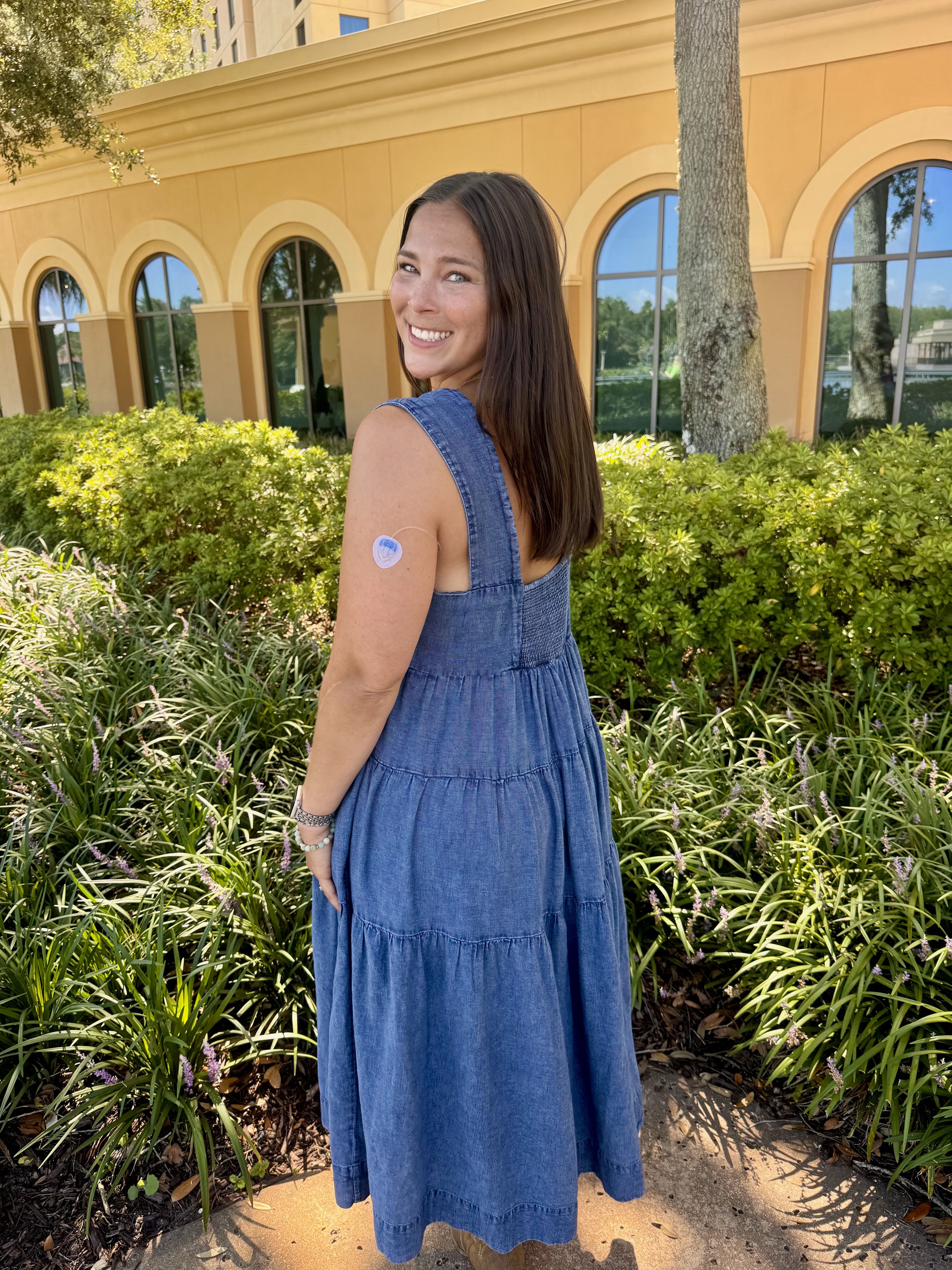
Since then, I’ve noticed the difference in smaller, everyday moments. Sometimes I clip the pump inward to my workout leggings or scrub pants. Other times, I slip it into a pocket. Under a dress, I can keep it discreetly tucked away. I use the MiniMedTM app when I need to check my glucose information or interact with my system, rather than reaching for the pump itself. I keep the charger in my bathroom next to my electric toothbrush and plug the pump in while I’m disconnected for a shower. It has become another simple part of my routine.
None of these things sound especially significant on their own. But diabetes is made up of hundreds of small interactions, decisions and interruptions. When even some of those become easier, it creates more space for everything else. That is what MiniMed Flex has changed for me. Not diabetes itself. Not the fact that I still have to carry supplies, pay attention to my glucose and make decisions about my health. It has changed how often I think about the pump as a physical device.
Looking back at how far we’ve come
When I think about the early days of fingersticks, strict carbohydrate plans and manually recording every blood glucose reading, it is hard to believe how much diabetes management has changed. I have gone from checking a single number several times a day to wearing technology that continuously tracks my glucose and helps adjust insulin delivery. I’ve moved from separate devices that couldn’t communicate to an automated system I can manage from my phone. Even charging my pump has become something I think about less.
And through every stage, I’ve learned something new about what I need — not only to manage diabetes, but to live well alongside it. There is no single therapy that is right for everyone. What feels freeing to one person may not matter as much to someone else. For me, freedom has changed over the years. At first, it was moving from injections to my purple insulin pump. Later, it was receiving low glucose alerts from my CGM. Then it was having automation take on more of the constant work. Today, freedom can be as simple as dancing at a wedding without thinking about how to reach my pump.
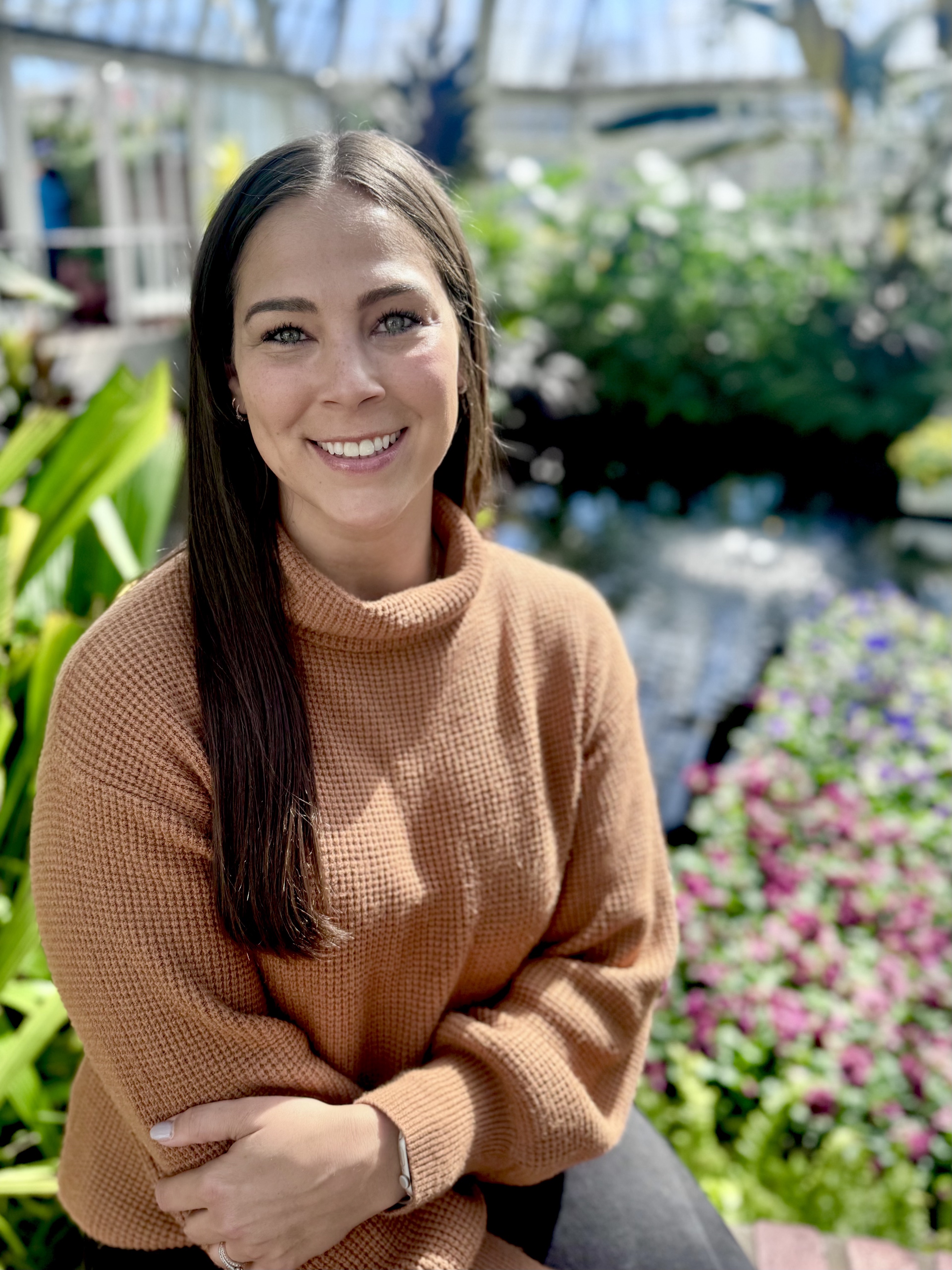

MiniMed Flex allows me to live more freely than I ever have in the past 20+ years. Sometimes I forget how difficult management used to be."
Emily, MiniMed Champion
Making room for the rest of life
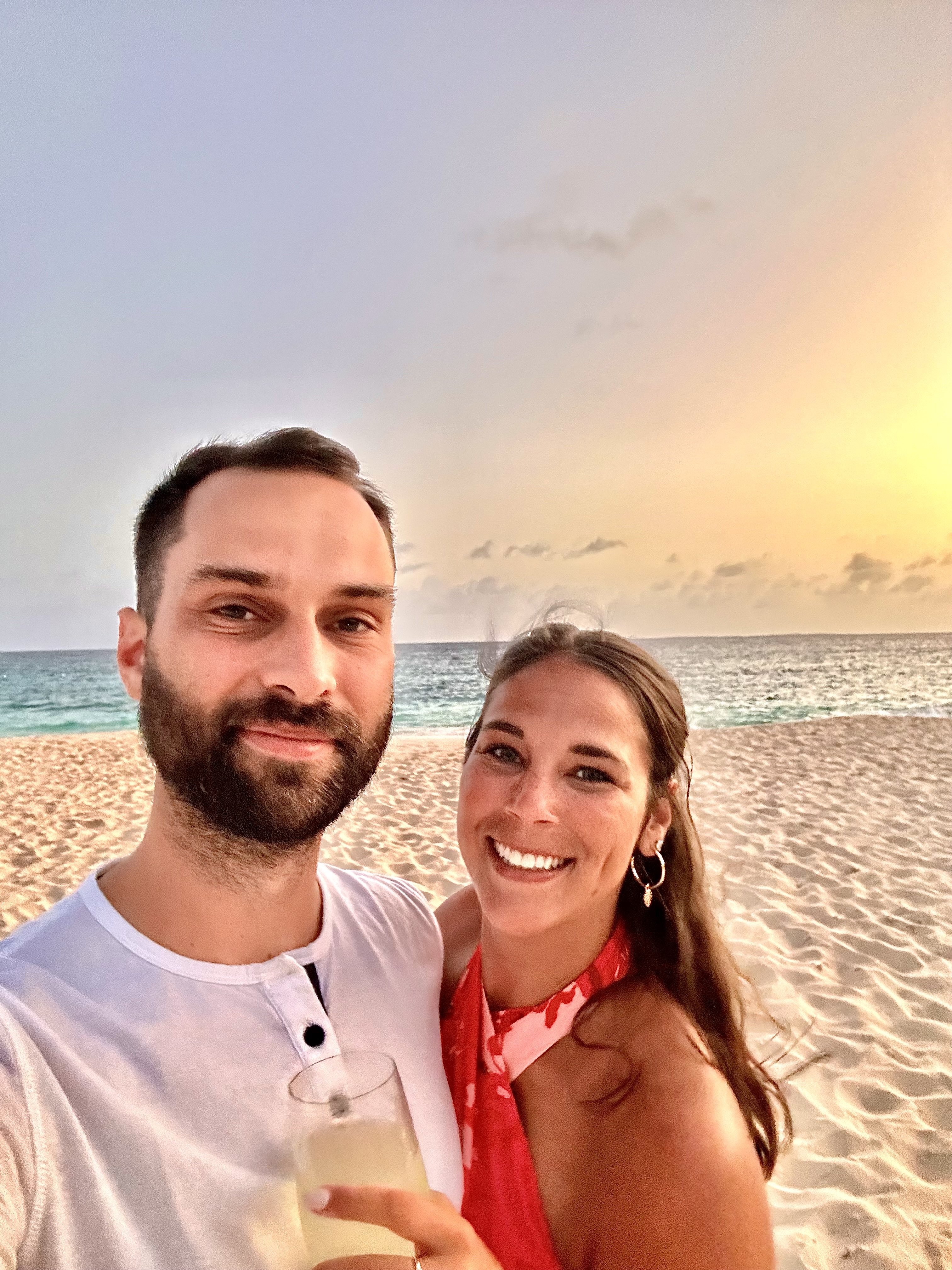
Outside of diabetes and my work at MiniMed, I love spending time outdoors with my husband and our 6-year-old Australian Shepherd. We love to travel, explore local breweries and restaurants, hit hiking trails, and spend time with family — whether at home, at a family gathering, or on the beach. Diabetes comes with me for all of it.
I don’t expect that to change. It has been part of my life for more than 22 years and managing it will always require attention. But it doesn’t need to be the focus of every moment. MiniMed Flex is one more chapter in a much longer story. Sometimes I think about how difficult diabetes management used to feel and then I look at where we are today. I am forever thankful for the technology that has made managing diabetes easier over time.
My pump is still there, still important, and still helping me manage my diabetes. I just don’t have to think about the pump itself quite as often. And after more than 22 years, that means a lot.
Important Safety Information for MiniMed FlexTM System:
MiniMed FlexTM System is for type 1 ages 7 and over and type 2 ages 18 and over. Prescription required. WARNING: Do not use SmartGuard™ feature for people who require less than 8 units or more than 250 units of insulin/day. For additional safety information and user guides, see https://bit.ly/MiniMedRisks.
Refers to SmartGuardTM technology. Individual results may vary.