


MiniMed Go: A better way to manage diabetes overnight
Published: November 10, 2026 Read time: 5 minutes
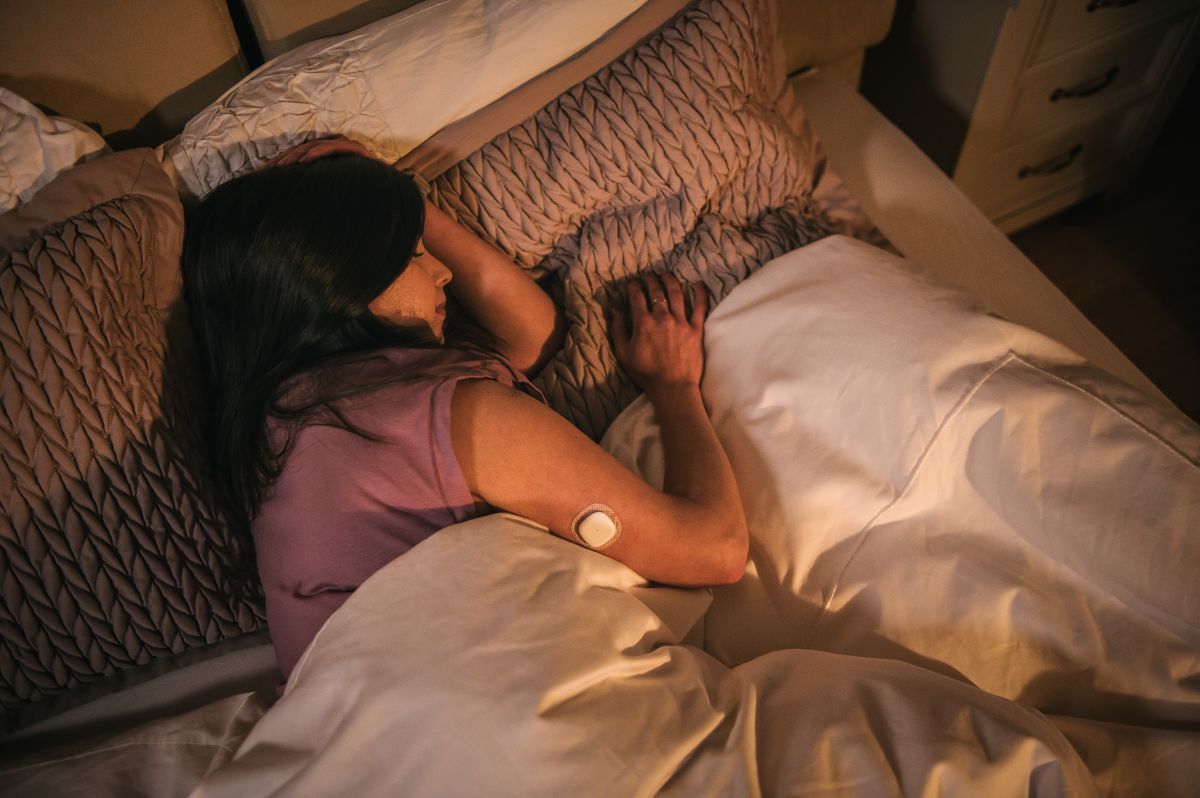
3 a.m. wake-ups and glucose guessing: what it means for your night's sleep
It's 3 AM. You wake up suddenly — heart racing, sheets damp, mind immediately doing the mental math. Was it something you ate? A unit too many? Or is everything actually fine and your body just pulled a false alarm?
If this sounds familiar, you're not alone.
The midnight math no one talks about
For millions of people living with diabetes, nighttime isn't just about rest — it's a second shift of invisible monitoring, interrupted sleep, and low-grade anxiety that follows you under the covers.
The fear has a name: nocturnal hypoglycemia — when blood glucose drops dangerously low during sleep. And it's more common than most people realize.
The result? A chronic cycle that looks something like this:
😴 Try to sleep
↓
😟 Worry about going low overnight
↓
⏰ Wake up at 3 AM "just to check"
↓
📱 Finger prick in the dark
↓
😮💨 Numbers look okay... or do they?
↓
😴 Try to sleep again (repeat)
This isn't just exhausting. Over time, interrupted sleep affects glucose regulation itself — creating a frustrating loop where poor sleep drives blood sugar instability, and blood sugar instability drives poor sleep.
Why nocturnal hypoglycemia is so hard to catch
Your brain is offline
During deep sleep, your awareness of physical symptoms is significantly reduced. Hypoglycemia unawareness — common in people who've lived with diabetes for years — becomes even more pronounced at night.
Glucose naturally shifts overnight
Your body isn't static while you sleep. Hormones fluctuate, insulin sensitivity changes, and the dawn phenomenon can cause glucose to rise in the early morning hours — while the hours just before can be a window of vulnerability for drops.
No one is watching
Unless you have a partner who checks on you, or you've set an alarm, there's no external alert system. You are the monitoring system — and that's an enormous burden.
What nighttime glucose anxiety really costs you
It's easy to dismiss disrupted sleep as an inconvenience. But the toll runs deeper:
| Impact | What it can look like |
|---|---|
| 😴 Sleep deprivation | Fatigue, brain fog, mood changes |
| 📈 Glucose dysregulation | Poor sleep raises cortisol and insulin resistance |
| 😰 Mental health strain | Anxiety, hypervigilance, burnout |
| 👫 Relationship strain | Partners losing sleep too, feeling helpless |
| 🏃 Daytime performance | Reduced focus, energy, and confidence |
The American Diabetes Association recognizes diabetes distress — including fear of hypoglycemia — as a real and clinically significant challenge that deserves attention alongside A1C numbers and carb counts.
Understanding your nights with diabetes
Here's the shift that changes everything:
Instead of waking up to check your glucose — what if your glucose could alert you before it became a problem?
That's exactly what MiniMed GoTM was built to help with.
MiniMed Go system: smart pen + CGM, working together
The MiniMed Go system brings together two powerful tools into one connected experience designed for people on multiple daily injections (MDI):
- A smart insulin pen that tracks every dose — when you took it, how much, and what type
- A continuous glucose monitor (CGM) that measures your glucose levels around the clock — including every hour you're asleep
Together, they give you something that finger pricks and paper logs simply can't:
A complete, real-time picture of how your insulin and your glucose interact — day and night.
How MiniMed Go transforms your nights
🔔 Alerts before you're in trouble
The CGM component monitors your glucose continuously, even as you sleep. Customizable low glucose alerts can notify you — or a caregiver — before levels reach a dangerous point. That means time to treat, not just react.
📊 See your full overnight story
Wake up and actually understand what happened while you slept. Did your glucose dip around 2 AM? Did the dawn phenomenon push levels up at 5? With MiniMed Go, overnight trend data is waiting for you in the morning.
🖊️ Know exactly what insulin was on board
One of the biggest sources of nighttime anxiety? Not knowing how much insulin is still active from your evening dose. The smart pen logs every injection automatically, so you — and your care team — always know what's on board when your head hits the pillow.
🤝 Share peace of mind
The MiniMed Go ecosystem supports remote sharing, so a partner, parent, or caregiver can view your glucose in real time — from the next room or across the country.
📱 Everything in one place
The MiniMed Go app brings your CGM glucose data and smart pen insulin data together in a single, unified dashboard — giving you and your healthcare provider the connected insights needed to make smarter adjustments.
Built for real life on MDI
Pumps aren't for everyone — and they don't have to be. The MiniMed Go system is designed specifically for people who prefer injections but want the confidence and insight that connected technology can bring.
No infusion sets. No tubing. Just a smart pen, a CGM sensor, and a single app that ties it all together.
Whether you're a busy parent, a frequent traveler or you're newly diagnosed, transitioning from a pump, or simply looking for a smarter way to manage on MDI — MiniMed Go meets you where you are.
You deserve rest — Not just survival
Managing diabetes is hard enough during the day. The night shouldn't feel like a second job.
The MiniMed Go system isn't just a technology upgrade — it's a confidence upgrade. Knowing that your glucose is being watched, your doses are being logged, and an alert will sound if something needs your attention. That's the kind of reassurance that lets you actually close your eyes and rest.
Ready to sleep with more confidence?
If nocturnal hypoglycemia, nighttime glucose anxiety, or the uncertainty of MDI management is affecting your sleep and quality of life, ask your healthcare provider whether the MiniMed Go system is right for you.
Because you deserve nights that feel like rest — not a guessing game.
Important safety information: MiniMed Go system
The MiniMed Go system includes the MiniMed Go app, InPen smart insulin pen injector and either the Instinct continuous glucose monitoring (CGM) sensor or Simplera CGM sensor. The system is intended to aid in diabetes management through multiple daily injections of compatible rapid-acting insulins (Humalog, Novolog, or Fiasp). The app and system components each require a prescription. When used with Instinct CGM, the app is indicated for patients ages 7 years and older, or patients ages 2 to 6 years under the supervision of an adult caregiver. When used with Simplera CGM, the app is indicated for patients ages 18 and over. If using InPen alone, the app is intended for all ages, with patients under age 7 requiring supervision. Use of these systems requires, among other things, adequate hearing and vision, a compatible mobile device and operating system, an open app, adequate pairing and connectivity, proper setting, use of an approved rapid-acting insulin, mobile device battery power, proper settings, accurate manual logging of insulin doses administered by means other than InPen, and occasional blood glucose meter (BGM) readings. Establishment of settings and treatment decisions should be made in consultation with a healthcare professional and on the basis of a combination of glucose readings, trend arrows, glucose target, active alerts, and recent events (such as insulin doses, exercise, meals, and medications). Failure to observe these and other details as found in the user guides can result in incorrect dosing, missed alerts and notifications, and ultimately hypoglycemia or hyperglycemia, with serious injury or death possible. For additional safety information and user guides, see https://link.minimed.com/Risks.