.png)


Diabetes symptoms
Diabetes symptoms can look different from person to person. Some appear suddenly, while others develop gradually over time. Symptoms are often linked to blood sugar levels that are too high or too low, or to the long‑term effects of diabetes on nerves, digestion, skin, and vision.1
Quick answer: Common diabetes symptoms include increased thirst, frequent urination, fatigue, blurred vision, low or high blood sugar episodes, nerve pain, digestive issues, and vision changes.
This page explains the most common diabetes symptoms, why they happen, and when to seek medical care.
High and low glucose levels
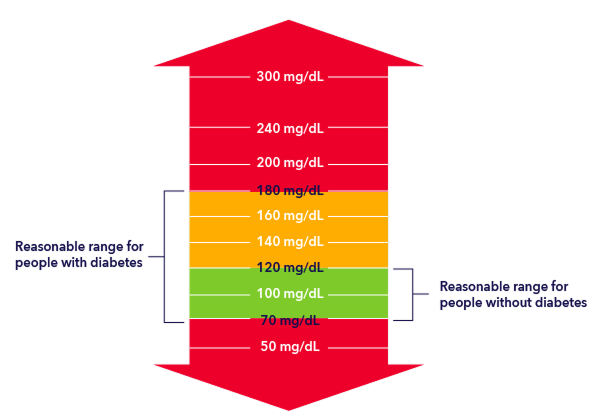
A person without diabetes spend 96% of time between 70-140 mg/dL.2 For those with diabetes, it is very difficult to keep glucose levels within such a tight range. A more reasonable range for people with diabetes is from 70 mg/dL to 180 mg/dL.
A healthcare professional will help decide the best glucose range for their patients.
What is hypoglycemia?
Hypoglycemia (low blood sugar) occurs when blood glucose levels drop below a safe range. It is most common in people who use insulin or certain diabetes medications.3
Common symptoms of low blood sugar:
- Shakiness or trembling
- Sweating
- Fast heartbeat
- Dizziness or lightheadedness
- Confusion or difficulty concentrating
- Irritability or anxiety
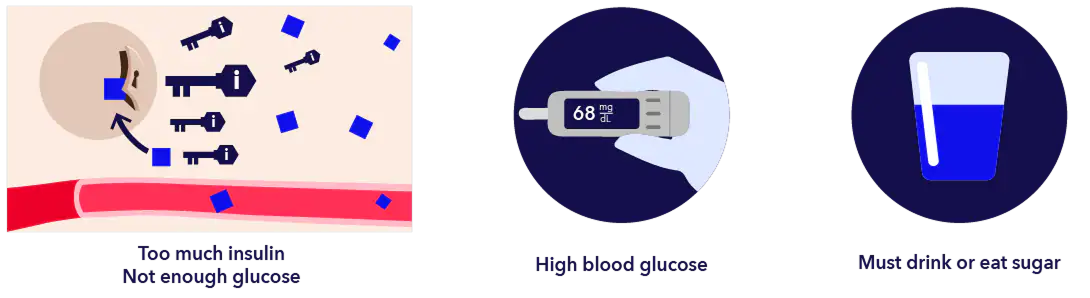
Why it matters: Severe hypoglycemia can lead to seizures, loss of consciousness, or injury if not treated quickly.
What is hyperglycemia?
Hyperglycemia (high blood sugar) happens when blood glucose levels rise above target range. This may occur due to missed insulin, illness, stress, or eating more carbohydrates than usual.4
Symptoms of high blood sugar include:
- Increased thirst
- Frequent urination
- Fatigue
- Blurred vision
- Headaches
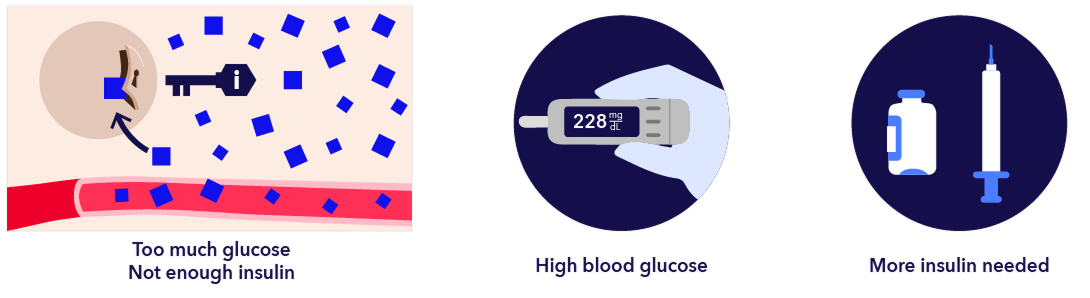
Why it matters: Ongoing high blood sugar increases the risk of diabetes complications affecting the heart, kidneys, eyes, and nerves.
What is DKA?
Diabetic ketoacidosis (DKA) is a serious, potentially life‑threatening complication that occurs when the body doesn’t have enough insulin.5 The body breaks down fat for energy, producing ketones that make the blood acidic.
Warning signs of DKA:
- Very high blood sugar levels
- Nausea or vomiting
- Stomach pain
- Fruity‑smelling breath
- Rapid or deep breathing
- Confusion or extreme fatigue
When to seek help: DKA is a medical emergency and requires immediate medical attention.
Why do fingers bruise with diabetes?
Frequent fingerstick blood glucose testing can cause soreness, bruising, or tenderness in the fingertips.
Ways to reduce bruising:
- Rotate fingers used for testing
- Use the sides of fingertips instead of the pads
- Use a fresh lancet and proper depth setting
How does diabetes affect vision?
High blood sugar can cause swelling in the lenses of the eyes, leading to blurred vision.6 Over time, diabetes increases the risk of diabetic retinopathy, glaucoma, and cataracts.
Vision-related symptoms may include:
- Blurry vision: High blood sugar can cause the eye’s lenses to swell, making it difficult to see clearly.
- Cataracts: Cloudy lenses can obscure vision. Anyone can get cataracts, but people with diabetes tend to get them earlier and sometimes worse than others.
- Glaucoma: This happens when the eye doesn’t drain as it should, and pressure builds up. It can damage nerves and blood vessels. This can lead to changes in vision.
- Neovascular glaucoma: This is a type of glaucoma that causes blood vessels to grow on the iris, or colored portion of the eye. They cause pressure to build up, which can cause damage.
- Diabetic retinopathy: Diabetic retinopathy occurs when the blood vessels of the retina (the back of the eye that processes light) are damaged. If enough damage happens, it can lead to blindness. There are varying levels and types of this condition. It’s important to get yearly eye exams. If this condition is caught early, it can be slowed or prevented by controlling blood glucose levels.
Why eye care is important: Regular eye exams help detect problems early and protect long‑term vision.
What is gastroparesis?
Gastroparesis is a condition in which the stomach empties food more slowly than normal.7 Diabetes-related nerve damage can affect the muscles that move food through the digestive tract.
Symptoms may include:
- Nausea or vomiting
- Bloating
- Feeling full quickly
- Unpredictable blood sugar levels
Why it matters: Delayed digestion can make blood sugar management more difficult.
What is diabetic peripheral neuropathy?
This condition results from nerve damage caused by prolonged high blood sugar levels.8 It most commonly affects the feet and legs, but can also involve the hands.
Symptoms may include:
- Tingling or numbness
- Burning or stabbing pain
- Sensitivity to touch
- Loss of sensation
Why it matters: Neuropathy can increase the risk of foot injuries and infections if not addressed.
What is dawn phenomenon?
People with diabetes sometimes awaken with elevated levels of glucose in their blood. This is called dawn phenomenon. It affects people with type 1 and type 2 diabetes.9
To prevent dawn phenomenon, it’s important to work with a medical professional to help prevent or correct high morning glucose levels. This may include:
- Waking overnight to check insulin levels
- Using long-acting insulin injections later in the evening
- Adjusting insulin doses
- Avoiding bedtime snacking
- Using an insulin pump and continuous glucose monitor (CGM) to adjust insulin levels
References
- Diabetes complications. American Diabetes Association. https://diabetes.org/about-diabetes/complications
- Shah VN, et al. The Journal of Clinical Endocrinology & Metabolism, Volume 104, Issue 10, October 2019, Pages 4356–4364, https://doi.org/10.1210/jc.2018-02763
- Hypoglycemia. American Diabetes Association. https://diabetes.org/living-with-diabetes/hypoglycemia-low-blood-glucose
- Hyperglycemia. American Diabetes Association. https://diabetes.org/living-with-diabetes/treatment-care/hyperglycemia
- DKA. American Diabetes Association. https://diabetes.org/about-diabetes/complications/ketoacidosis-dka/dka-ketoacidosis-ketones
- Eye health. American Diabetes Association. https://diabetes.org/health-wellness/eye-health
- Clipper F. Young, Marianne Moussa, Jay H. Shubrook; Diabetic Gastroparesis: A Review. Diabetes Spectr 1 August 2020; 33 (3): 290–297. https://doi.org/10.2337/ds19-0062
- Neuropathy. American Diabetes Association. https://diabetes.org/about-diabetes/complications/neuropathy
- High morning glucose. American Diabetes Association. https://diabetes.org/living-with-diabetes/high-morning-blood-glucose