.png)


What is hyperglycemia?
Hyperglycemia is what happens when there is too much sugar in the blood. For people living with diabetes, the body either has too little insulin, or loses the ability to process insulin properly. This often results in hyperglycemia, also known as high blood glucose (BG) or high blood sugar.
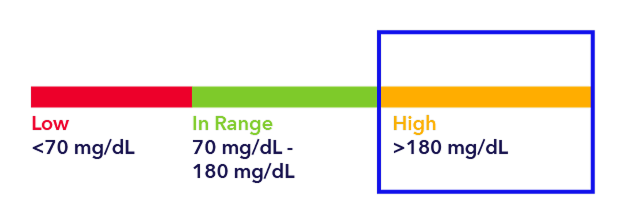
A major goal of managing diabetes is to avoid high BGs as much as possible and to properly treat hyperglycemia as soon as it is noticed. Hyperglycemia can cause serious complications when left untreated. For people living with diabetes, blood sugar is considered "high" when it rises above 180 mg/dL. High blood sugars are most common after meals and can be dangerous if untreated.
What are some causes of hyperglycemia?
Glucose levels can rise too high for many reasons. Here are just a few1:
- Food can cause BG levels to rise too high if you do not take enough insulin to cover your food (especially if carbohydrate grams are not counted correctly or if a food bolus is missed)
- Illness or infection (such as cold, flu, or stomach virus) can cause BG levels to run higher than usual.
- Stress (emotional or physical) can cause an increase in BG levels.
- Medications (prescription and over-the-counter) can affect your BG. Consult with your healthcare provider to determine if your medication could be affecting your BG control.
- Weak insulin can cause high BGs. Insulin can lose its strength if it is exposed to extreme heat or cold, or if it has expired.
Most hyperglycemia occurs when there is some insulin in the body, but not enough to keep glucose levels within your target range.

"From my experience… the focus on lows overshadows the equally critical management of highs. This is why I personally place great importance on managing high glucose levels effectively. Doing so not only improves my daily comfort and functionality but also helps me prevent the long-term complications associated with consistently high blood sugar levels."
Mattie, #MiniMedChampion
Compensated for her time.
What are the symptoms of hyperglycemia?
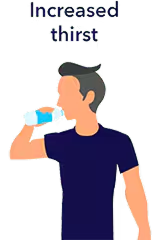
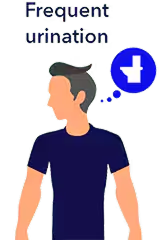
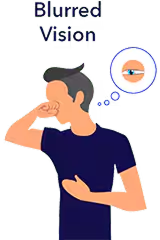
Hyperglycemia symptoms can appear when glucose levels are elevated. Symptoms will typically develop over the course of days or weeks, and can include1,2:
- Increased thirst
- Frequent urination
- Blurred vision
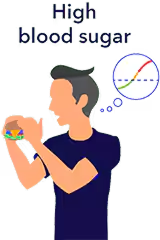
- High blood sugar
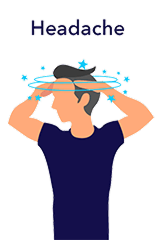
- Headache
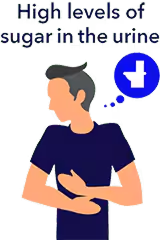
- High levels of sugar in the urine
- Fatigue
Be aware of what these symptoms look and feel like. For example, increased thirst is when you drink plenty of water, but it still doesn’t feels like enough. Another example is high levels of sugar in your urine; you may notice your urine is cloudy and smells sweet. Early recognition of symptoms and consistently checking your blood sugar are important actions for treating hyperglycemia.

How to treat hyperglycemia
When hyperglycemia occurs, you should take insulin to lower your blood sugar. Other effective ways of lowering blood sugar include exercise and making necessary changes to your diet.
If your blood sugar is elevated above 240 mg/dL, you should check your urine for ketones, as exercising with ketones in your system can further elevate your blood sugar.
Your doctor may also propose changes to your medication or insulin as a means of treating hyperglycemia.
"A few behaviors that will help to reduce hyperglycemia are remembering to enter carbs before eating and to work with your healthcare provider to ensure you have the best insulin-to-carb ratio(s). Giving the right amount of insulin to match when food is digesting is important!"
Heather, Registered Dietitian, Certified Diabetes Care and Education Specialist, and #MiniMedChampion

Risks and complications
Left untreated, hyperglycemia can pose serious health risks. Diabetic ketoacidosis (DKA) is a major complication that can result from hyperglycemia.
As this condition can cause your body to create a surplus of ketones, you may be unable to release them effectively, leading to ketoacidosis. You should seek immediate treatment if you experience any of these symptoms:
- Nausea, vomiting, and abdominal pain
- Confusion
- Feeling tired, sluggish, or weak
- Flushed, hot, dry skin
- Rapid, deep breathing and shortness of breath
- Excessive thirst and frequent urination
- Fruity scented breath
- Unconsciousness
Prevention tips
- Adhering to your diabetes treatment plan and monitoring your blood sugar are important daily steps to take.
- An insulin pump can automatically deliver insulin to bring sugar levels within an acceptable range.
- A healthy diet plan and timing your meals can help to avoid hyperglycemia, particularly if you take insulin or medication.
- Exercise can also lower your blood sugar levels – consult with your doctor to see if a more active lifestyle could benefit you.
References
- Hyperglycemia (High Blood Sugar) Cleveland Clinic. https://my.clevelandclinic.org/health/diseases/9815-hyperglycemia-high-blood-sugar. Accessed 23MAY2024.
- Hyperglycemia (High Blood Glucose) The American Diabetes Association Page. https://www.diabetes.org/healthy-living/medication-treatments/blood-glucose-testing-and-control/hyperglycemia. Accessed 3AUG2021.
- Hyperglycemia in diabetes. The Mayo Clinic Page. https://www.mayoclinic.org/diseases-conditions/hyperglycemia/symptoms-causes/syc-20373631. Accessed 3 AUG2021