.png)


A beginner’s guide to bolusing
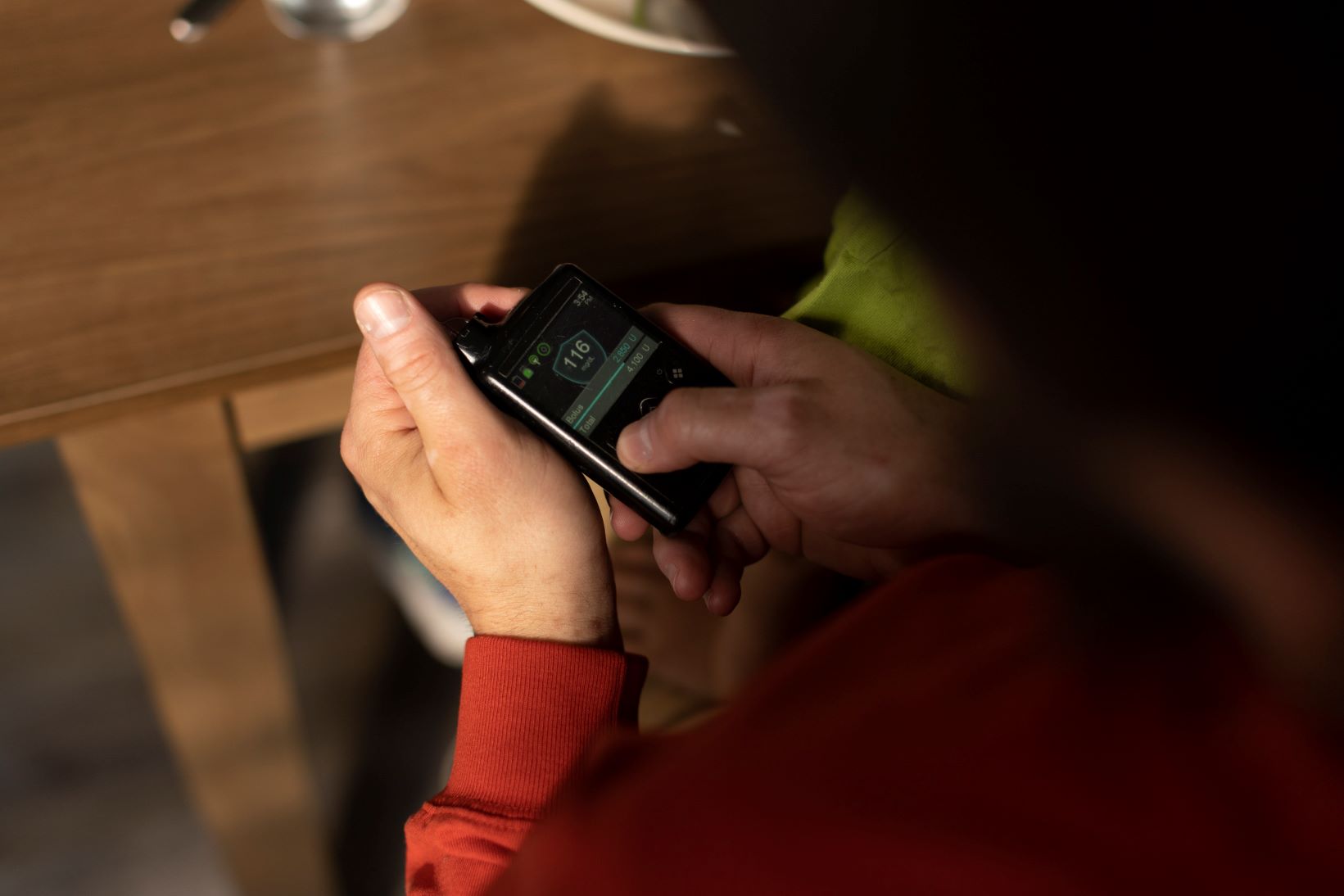
If you or a loved one has recently been diagnosed with diabetes, you’ve probably heard the term “bolus” or “bolusing” come up along the way, whether in conversations with a healthcare provider or even among your own personal research. While tackling your diagnosis can seem overwhelming, you’ll find that learning how to bolus properly is an important part of managing it effectively.
What is a bolus/bolusing?
A “bolus” refers to a single, large dose of medicine. For a person with diabetes, a bolus refers to a dose of insulin that’s taken to handle a rise in blood glucose, like the one that happens when you eat a meal or a snack.1 It can be manually administered as a shot (for those on multiple daily injections, or MDI therapy) or via an insulin pump. Some insulin pumps can even do this automatically, such as the MiniMedTM 780G system.
“Bolusing” is the process of administering these doses of insulin, and is crucial to effectively managing diabetes, as it helps people with diabetes mimic the body’s natural insulin response to food intake.
The importance of bolusing in diabetes management
Keeping your blood sugar levels within a healthy range helps prevent short-term complications like hyperglycemia and long-term complications such as cardiovascular issues and nerve damage, and bolusing is key to maintaining this balance. It regulates blood sugar levels after eating by preventing spikes and promoting better glucose control, and allows people with diabetes to enjoy a flexible diet while still effectively managing their condition.
It's important to talk with your healthcare provider about bolusing, because just as people’s bodies react differently to flavors and scents, so do they respond differently to bolusing! If you’re newly diagnosed, remember that practice makes perfect, and you’ll soon discover what methods work best for you.
Types of bolus insulin
Bolusing is done prior to mealtimes or as a correction dose for when blood sugars are high; you may hear it referred to as mealtime insulin. Taking a bolus before eating meals and snacks gives the insulin a head start in your system and helps you stay within your target range and avoid post-meal spikes in your blood sugar. When it comes to bolusing, there are two main types of insulin used:
- Short-acting insulin is typically taken a short time (approximately 30 minutes) before a meal to give it more time for proper absorption and coverage of glucose from food. It starts working within about 30 minutes, peaks after two to three hours, and stays in the bloodstream for three to six hours.2
- Rapid-acting insulin is newer than short-acting insulin and works even faster. Designed to cover insulin needs for meals eaten simultaneously with the dose, it’s typically taken at the start of a meal or immediately after. It starts working within a few minutes and lasts a couple of hours.3
Depending on your personal eating habits and lifestyle, the types of insulin you use to bolus can differ. Work with your healthcare provider to figure out what will work best for you.
Factors influencing bolusing
There are several factors that can affect the effectiveness of bolusing, including:
- Your current blood sugar level (i.e., where you’re starting out at before eating)
- The type or carbohydrate content of the meal or snack you’re about to eat (for example, whether it’s high-carb like pasta, high-fat like pizza, high-protein like chicken and rice, etc.)
- Your insulin-to-carbohydrate ratio prescribed by your healthcare provider
- Your physical activity level
How to bolus effectively
To make sure you’re bolusing effectively, it’s important to communicate regularly with your healthcare provider to adjust your insulin regimen as needed. If you’re struggling with the timing of your doses, check with your care team for guidance. For example, on the MiniMedTM 780G system, it is recommended to bolus 10-20 minutes prior to mealtimes. You can also find support from diabetes educators or support groups (such as Beyond Type 1) to learn from others’ experiences and gain confidence in your own bolusing.
Technology designed to help with bolusing
Let’s face it: life happens. You might forget to bolus for that spontaneous snack or that fun meal you’re enjoying with friends. Luckily, modern diabetes technology has made bolusing easier than ever.
Whether you’re on MDI therapy or an automated insulin delivery (AID) system, smart devices can help calculate and recommend the appropriate doses. The InPenTM smart insulin pen lets you know the right dose to take at the right time, reducing the need for mental math when it comes to calculating your carb count, while the MiniMedTM 780G system’s intuitive Meal DetectionTM technology† automatically detects rising sugar levels and delivers correction doses of insulin, up to every 5 minutes as needed,‡ to help bring you safely back to a healthy range.
Bolusing is extremely important in diabetes management, so make sure to work with your healthcare provider to learn how to do so effectively and best tailor your insulin therapy to meet your needs. With time, practice, and support, mastering bolusing will become second nature to you! You’ll discover what works best and find confidence as you take control of your diabetes.
Footnotes
† Taking a bolus 15 – 20 min before a meal helps to keep blood sugar levels under control after eating.
† Refers to SmartGuard™ feature. Individual results may vary.
References
- Definition: Bolus. Nemours KidsHealth. Available at: https://kidshealth.org/en/teens/bolus.html. Accessed April 12, 2024.
- The 6 Types of Insulin: A Guide to Regular, Short, and Long-Acting Insulins. GoodRxHealth. Available at: https://www.goodrx.com/classes/insulins/insulin-types-how-to-use. Accessed April 12, 2024.
- Bolus insulins (short-acting and rapid-acting). The Johns Hopkins Patient Guide to Diabetes. Available at: https://hopkinsdiabetesinfo.org/medications-for-diabetes-regular-and-ra…. Accessed April 12, 2024.