.png)


MiniMed Go system
More connected insulin management, all in one app.
The smarter insulin pen system that remembers, reminds, and recommends — so you don't have to.1

What is the MiniMed Go system?
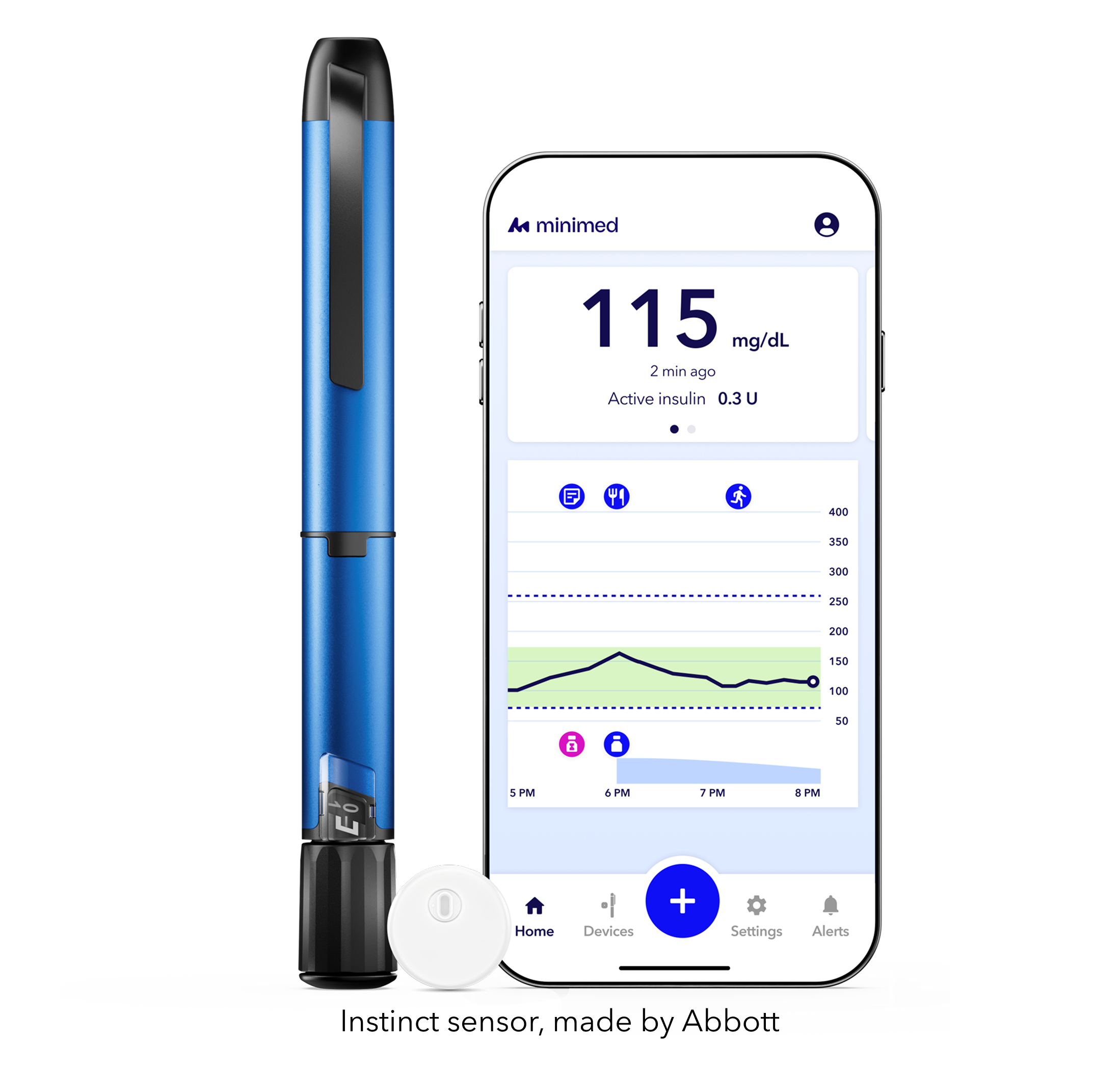
MiniMed Go is a smart multiple daily injection system designed to help you manage your diabetes with less manual work.
It combines the InPenTM smart insulin pen, a compatible continuous glucose monitor (CGM), and the MiniMedTM Go app. Together, they bring your glucose and insulin information into one connected experience.
See how MiniMed Go compares
|
|
MiniMed Go system |

Syringe/Insulin pen + Dexcom® |
|---|---|---|
|
CGM and insulin pen work together |

|

|
|
CGM readings taken every 5 min |
|
|
|
Automatic insulin dose tracking |
|
|
|
Dose calculation |
|
|
Smarter alerts. Data every 5 mins. One app.
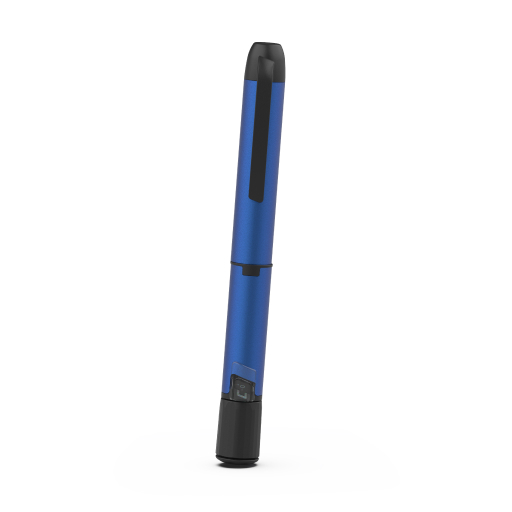
InPen smart insulin pen
Automatically tracks insulin doses delivered in a digital logbook.
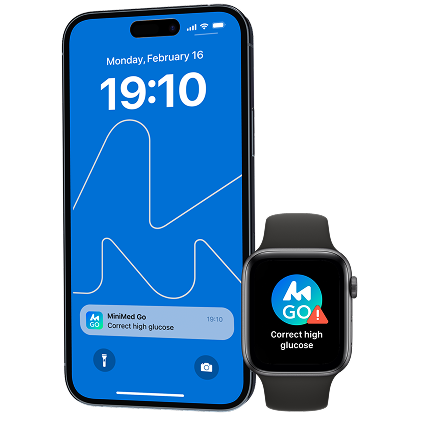
MiniMed Go app
Brings your CGM and insulin information together and provides dose calculations and smart alerts.
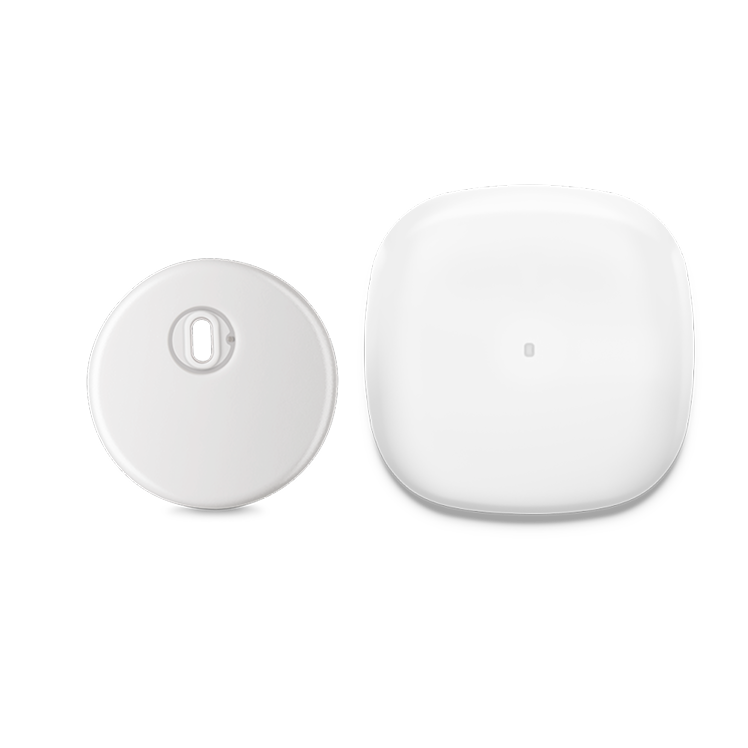
CGM
Sends real-time glucose levels to the app to help recommend doses and track trends.
Your glucose tells you what's happening. The app tells you what to do next.

Remembers your insulin doses
Let the app keep track. Your InPen doses are automatically recorded in the MiniMed Go app.
Reminds you when more insulin is needed
Goes beyond a typical glucose alert by letting you know if you didn't take enough insulin or may have missed a dose.
Recommends smart actions
See your glucose and active insulin together, then get help calculating a correction dose when you need one.
Tech specs
Indications for use
For people with diabetes.
- InPen: Ages 7 years and older, or younger under the supervision of an adult caregiver.
- Instinct sensor: Ages 7 years and older or patients ages 2 to 6 under the supervision of an adult caregiver.
- Simplera sensor: 18 years and over.
Connectivity
- InPen to app: Bluetooth® Low Energy (BLE) and Near Field Communications (NFC)
- Sensors to app: Bluetooth® Low Energy (BLE) v4.2, 2.402–2.480 GHz, GFSK modulation, minimum 20 ft (6.09 m) line-of-sight range
Alert ranges
Instinct sensor
- ≤ 55 mg/dL. Always active; cannot be disabled or adjusted.
- Low alert limit range: 60–100 mg/dL (user-adjustable)
- High alert limit range: 120–400 mg/dL (user-adjustable)
SimpleraTM sensor
- Urgent low glucose alert: ≤ 64 mg/dL. Always active; cannot be disabled or adjusted
- Low alert limit range: 65–90 mg/dL (user-adjustable)
- High alert limit range: 100–400 mg/dL (user-adjustable)
- Alert before low: Up to 60 minutes before predicted low; adjustable down to 10 minutes
- Alert before high: Adjustable lead time
- Low glucose alert detection rate: 94.7% correct detection rate; 5.3% missed detection rate (≤70 mg/dL, 30-minute detection window, arm insertion, adults)
- High glucose alert detection rate: 98.6% correct detection rate; 1.4% missed detection rate (≥180 mg/dL, 30-minute detection window, arm insertion, adults)
Compatible insulin
The MiniMed Go system is intended for use with the following compatible U-100 insulins:
• U-100 HumalogTM*
• U-100 NovoLogTM*
• U-100 FiaspTM*
Battery
The InPen is a reusable device with a non-replaceable battery designed to last for one year, after which is must be replaced.
Warranty
InPen: One year
Frequently asked questions
What is the MiniMed Go system?


What is the MiniMed Go system?
The MiniMed Go system is a diabetes management system combining the InPenTM smart insulin pen, a compatible continuous glucose monitor, and the MiniMed Go mobile app. Together, these technologies help you deliver the right dose at the right time.
How does the MiniMed Go system work?
How does the MiniMed Go system work?
The MiniMed Go system brings together three things: the InPen smart insulin pen, a compatible CGM, and the MiniMed Go app. They work together in one connected system. The InPen and CGM link directly to the app. This gives you one place to see your glucose levels in real time and keep track of insulin doses. Figure out your dose in the app using the Dose Calculator, give the dose with the InPen, and have it saved automatically.
The system also keeps track of insulin still working in the body from earlier doses. It can send actionable alerts if a meal dose is missed or if glucose is getting too high. These alerts provide helpful guidance in real-time to help you stay in your target range.
Healthcare professionals can easily see MiniMed Go data through their CareLink accounts. This helps them have better conversations and make informed treatment decisions at each follow-up visit.
Does MiniMed Go show real-time CGM data?
Does MiniMed Go show real-time CGM data?
With MiniMed Go, you will see your CGM and InPen data in one app every 5 minutes, making informed dosing decisions easier for you.
What is the difference between the MiniMed Go system and using a CGM and syringe?
What is the difference between the MiniMed Go system and using a CGM and syringe?
With a CGM and syringe, you have to do more work and mental math to keep your glucose levels in range. This means figuring out meal doses, writing down insulin doses on paper, and you may not know how much insulin is still active from an earlier dose. When glucose is high, CGM alerts do not tell you what to do next.
The MiniMed Go system makes this easier. It has a built-in dose calculator, automatic insulin logging with the compatible InPen, and tracking for active insulin from previous doses. The system’s actionable alerts do more than warn users. They help guide the next step, notice missed meal doses, and suggest correction amounts when glucose is high.
What is a Missed Dose alert?
What is a Missed Dose alert?
The Missed Dose alert appears when your glucose is rising and no insulin has been given. Unlike CGM alone, MiniMed Go considers your active insulin and can calculate a correction dose. Tap Calculate dose to determine the needed insulin, then deliver the dose with your InPen.
What is a Correct High Glucose alert?
What is a Correct High Glucose alert?
The Correct high glucose alert appears when your glucose is above target, and you do not have enough active insulin to bring it down. Unlike CGM alone, MiniMed Go considers your active insulin and can calculate a correction dose. Tap Calculate dose to determine the needed insulin, then deliver the dose with your InPen.
What’s the difference between MiniMed FlexTM and MiniMed Go?
What’s the difference between MiniMed FlexTM and MiniMed Go?
MiniMed FlexTM is an automated insulin delivery system that uses an insulin pump. MiniMed Go is a smart multiple daily injection system.
References
1. Proper pairing, connectivity, and settings required or incorrect dosing and serious injury can occur. Ages 2-6 require caregiver supervision. See user guide for full details.
Important safety information: MiniMed Go system
The MiniMed Go system includes the MiniMed Go app, InPen smart insulin pen injector and either the Instinct continuous glucose monitoring (CGM) sensor or Simplera CGM sensor. The system is intended to aid in diabetes management through multiple daily injections of compatible rapid-acting insulins (Humalog, Novolog, or Fiasp). The app and system components each require a prescription. When used with Instinct CGM, the app is indicated for patients ages 7 years and older, or patients ages 2 to 6 years under the supervision of an adult caregiver. When used with Simplera CGM, the app is indicated for patients ages 18 and over. If using InPen alone, the app is intended for all ages, with patients under age 7 requiring supervision. Use of these systems requires, among other things, adequate hearing and vision, a compatible mobile device and operating system, an open app, adequate pairing and connectivity, proper setting, use of an approved rapid-acting insulin, mobile device battery power, proper settings, accurate manual logging of insulin doses administered by means other than InPen, and occasional blood glucose meter (BGM) readings. Establishment of settings and treatment decisions should be made in consultation with a healthcare professional and on the basis of a combination of glucose readings, trend arrows, glucose target, active alerts, and recent events (such as insulin doses, exercise, meals, and medications). Failure to observe these and other details as found in the user guides can result in incorrect dosing, missed alerts and notifications, and ultimately hypoglycemia or hyperglycemia, with serious injury or death possible. For additional safety information and user guides, see https://link.minimed.com/Risks.